Solar quotes stall for one of two reasons: the numbers don’t work, or the client can’t see why they should move now rather than next year. Capital allowances fix both. For a UK company buying solar PV, batteries, or EV charging infrastructure, the tax treatment is currently about as favourable as it’s ever been — and most installers still aren’t leading with it in their sales conversations. That’s a mistake, because for a client on the main rate of Corporation Tax, capital allowances aren’t a footnote to the ROI case. They’re a large chunk of the ROI case.
This is a trade-facing breakdown of how the Annual Investment Allowance and the special rate pool actually apply to commercial solar assets in 2026, with a worked example any installer can lift straight into a proposal.
The headline: 100% relief via the Annual Investment Allowance
The Annual Investment Allowance (AIA) lets a business deduct the full cost of qualifying plant and machinery from taxable profits in the same accounting period it’s incurred, up to an annual cap of £1 million. That cap has been fixed at £1m permanently since 1 January 2019 — it’s no longer a temporary uplift that could be quietly reduced back to £200,000, which is worth stating clearly to clients who remember the old on-again, off-again AIA limit.
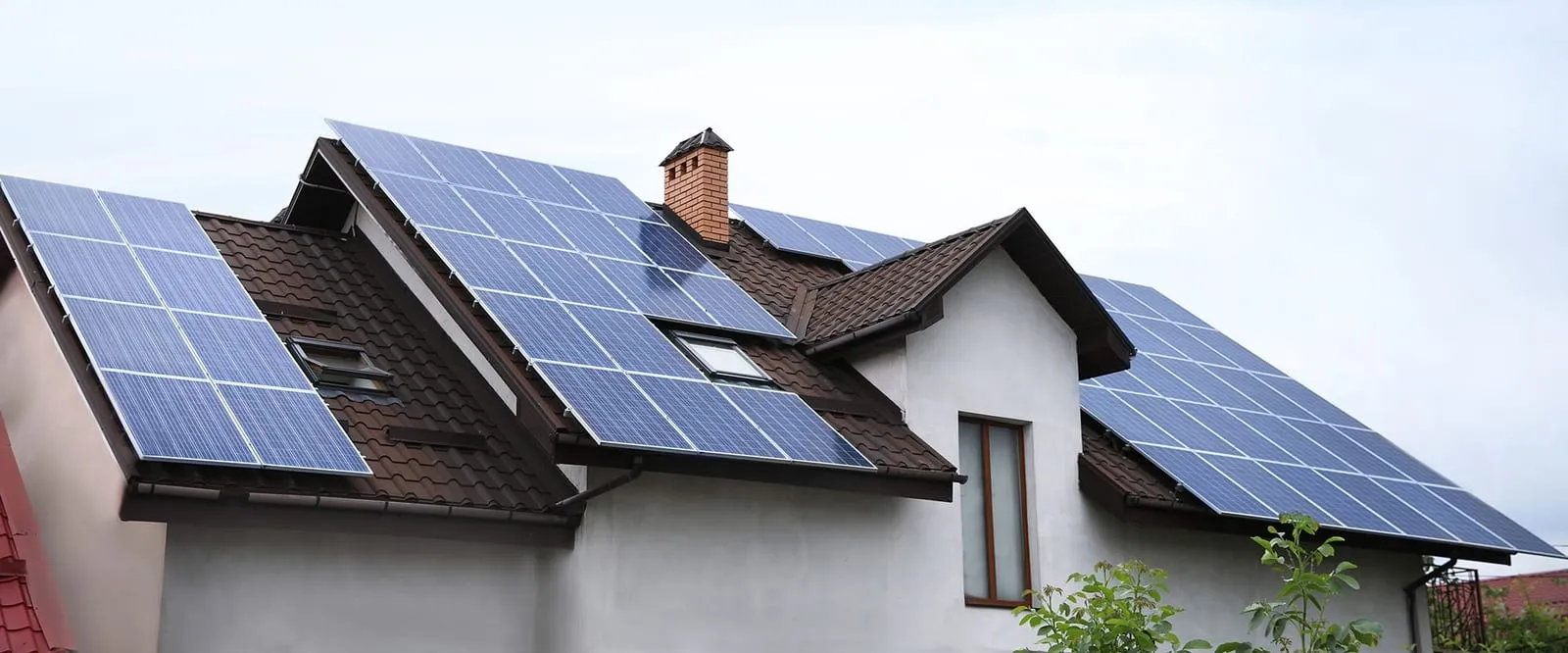
Solar PV systems, inverters, mounting structures and most battery storage installations qualify as plant and machinery for AIA purposes. That means a company spending, say, £180,000 on a rooftop solar array can deduct the entire £180,000 against profits in year one — not spread it over a multi-year schedule. At the current 25% main rate of Corporation Tax, that single deduction is worth £45,000 in cash tax saved in year one alone.
For context on what that spend typically buys, commercial installation costs currently sit in the region of £900–£1,200 per kWp depending on roof type, scaffolding access and system size — a range worth sense-checking against a live quote via businesssolarcalculator.co.uk before quoting a client a return figure.
Which assets actually qualify
This is where installers get vague and lose credibility, so it’s worth being precise. HMRC splits plant and machinery into two pools for allowance purposes:
- Main pool — most solar PV equipment: panels, mounting/racking, cabling, inverters, and typically battery storage where it’s integral to the generating system.
- Special rate pool — “integral features” of a building under CAA 2001 s.33A, which includes electrical systems, and long-life assets. Where a solar installation is judged to be part of the building’s electrical system rather than standalone plant, HMRC can push it into the special rate pool instead.
The distinction matters because the AIA can be allocated against either pool — a business chooses how to apply its £1m AIA cap across its total qualifying spend for the year, and it makes sense to allocate AIA first against special rate pool assets, because unrelieved special rate spend only gets 6% writing-down allowance a year on a reducing balance, versus 18% for main pool. If a client’s total capital spend across all plant in a year (solar included) exceeds £1m, whatever falls outside AIA drops into these WDA rates instead — 18% or 6% per year, reducing balance, not 100% up front.
In practice, for the overwhelming majority of commercial solar installations — most SME and mid-market projects are well under the £1m AIA ceiling on their own — this special rate nuance is academic: the whole system typically clears through AIA at 100% regardless of which pool HMRC would otherwise assign it to. It becomes relevant when a client is also fitting a major electrical upgrade, a new EV charging fleet, or has other large plant purchases in the same accounting period competing for the same £1m allowance. That’s the conversation to have with their accountant before assuming 100% relief is automatic — installers should flag it, not try to give tax advice themselves.
Structural building costs — the roof itself, structural alterations, and civil works that aren’t part of the electrical or generating plant — generally don’t qualify for AIA at all and may only attract Structures and Buildings Allowance (SBA) at 3% a year, so it’s worth separating “solar installation cost” from “roof replacement cost” in any proposal if both are happening at once.
Worked example: 50kW commercial rooftop array
Take a realistic mid-size commercial installation:
| Item | Figure |
|---|---|
| System size | 50kW rooftop array |
| Installed cost (at ~£1,000/kWp) | £50,000 |
| Qualifies for AIA | Yes — full amount, main pool |
| Corporation Tax rate | 25% (main rate, profits >£250k) |
| Year-one tax deduction | £50,000 |
| Cash tax saving, year one | £12,500 |
| Estimated annual generation (850–1,050 kWh/kWp) | 42,500–52,500 kWh/yr |
| Estimated annual electricity saving (at ~25p/kWh import) | roughly £10,600–£13,100/yr |
Stack the £12,500 AIA tax saving in year one on top of the electricity cost saving, and the effective payback period on a £50,000 system shortens dramatically — commonly from a 4–5 year simple payback down closer to 3–3.5 years once the tax relief is factored in, before any Smart Export Guarantee income from exported surplus (rates vary by supplier, broadly 12–20p/kWh at the top end for MCS-certified systems).
For businesses below the 25% main rate — those with profits under £50,000 still pay 19% small profits rate, with marginal relief tapering between £50,000 and £250,000 — the cash saving scales down proportionally, but the 100% first-year deduction still applies in full regardless of the rate the business pays. It’s the rate that changes the cash value, not the availability of the allowance.
Where a client is financing rather than buying outright, the AIA treatment doesn’t disappear — hire purchase agreements typically still qualify because the business is treated as the owner from the point the contract is signed, whereas straightforward leasing arrangements usually don’t, because the finance company retains ownership. This is a detail worth getting right before promising a client their leased asset qualifies for the same relief a cash purchase would — a quick look at structured options via solarassetfinance.co.uk is useful groundwork before that conversation, since the finance structure chosen directly determines whether AIA applies at all.
Why this matters more than the panel spec sheet in a sales conversation
Most commercial solar sales conversations spend 80% of their time on panel efficiency, inverter brand and warranty length, and about thirty seconds on tax treatment — usually a vague line like “and you get tax relief too.” That’s underselling a genuinely material part of the commercial case, particularly against a backdrop where 0% VAT applies to residential solar and battery storage until 31 March 2027 but not to commercial installations, which makes capital allowances the equivalent lever on the business side of the market. Commercial clients don’t get the VAT relief homeowners get — so making sure they understand the AIA relief they do get is the installer’s job, not their accountant’s afterthought.
It also changes the framing of “is now the right time.” AIA has been permanently fixed at £1m since 2019 with no sunset date currently legislated, so there’s no artificial urgency to invent — but a client delaying a purchase into a lower-profit year, or into a year where they’ve already used up AIA headroom on other plant, genuinely loses value by waiting. That’s a real, defensible reason to move a stalled quote forward, not a sales trick.
Businesses evaluating whether solar clears the bar for grant support alongside capital allowances should note the two schemes don’t overlap in most cases — capital allowances apply UK-wide to any qualifying commercial purchase, while grant programmes such as the Improving Farm Productivity grant (around 25% of eligible cost for English agricultural applicants, rates differ by UK nation) are sector- and eligibility-specific. AIA is available regardless of whether a grant is also secured, so the two are additive where a client qualifies for both — worth checking eligibility criteria carefully rather than assuming stacking works everywhere.
Practical guidance for installers quoting commercial jobs
A few things worth building into every commercial proposal from here on:
- Separate the invoice into plant/machinery (panels, inverters, racking, battery, EV charge points) versus structural/building works, so the client’s accountant can allocate AIA cleanly without a dispute over what qualifies.
- State the Corporation Tax rate assumption explicitly in the proposal (19%, 25%, or marginal) rather than quoting a single blended “tax saving” figure that won’t match every client’s actual position.
- Flag early whether the client’s total annual capital spend is likely to exceed the £1m AIA cap — most won’t, but for larger multi-site commercial or industrial clients fitting solar across several rooftops in one tax year, it’s worth checking before promising 100% relief on everything.
- Note the finance structure question up front — hire purchase versus lease materially changes whether AIA applies — rather than letting it surface as a surprise at year-end when the accountant reviews the invoice.
- Always caveat that this is general guidance, not tax advice, and the client’s accountant should confirm treatment for their specific circumstances — installers positioning AIA correctly build trust; installers who guess at tax law lose it.
For businesses further along the buying journey and comparing installers directly, sites like ecoaim.co.uk in Central Scotland and drenergyltd.co.uk covering Bristol commercial rooftops both handle this kind of scoping conversation as standard practice, separating plant costs from structural works on the quote itself. For a broader look at how commercial solar economics are shifting sector by sector, our own commercial solar panel cost breakdown covers the installation-cost side of this equation, and commercialsolarpanelsinstallation.co.uk is a useful reference hub for buyers scoping a first commercial project before they even get to the tax conversation.
The bottom line
Capital allowances aren’t a nice-to-have addendum to a commercial solar quote — for a business on the 25% main rate, they’re worth up to a quarter of the entire system cost back in year-one cash tax saved, on top of the electricity bill reduction the system was already going to deliver. The AIA cap sitting permanently at £1m since 2019, with almost all commercial solar spend comfortably inside it, means most installers can promise 100% first-year relief with real confidence. The special rate pool nuance only bites at the margins — large multi-site fits, bundled electrical upgrades, or clients already close to their annual cap — and flagging it proactively, rather than letting a client’s accountant discover it later, is what separates an installer who understands the commercial buying decision from one who’s only selling hardware.
The maths closes deals. Most installers just aren’t doing it out loud.